
Teaching my toddler prayer habits felt challenging at first. How do you start talking to God with a busy, curious 3-year-old? It can feel tricky teaching young children how to pray.
But kids as young as three really can build lasting spiritual routines. Simple activities like short prayers or bedtime prayers can make it easier. Even kid-friendly versions of the Lord’s Prayer from Luke 11:2-4 help bring prayer into daily life.
With patience and fun, your little one will soon enjoy speaking with our Heavenly Father each day!
Why Teach Prayer to a 3-Year-Old?
I deeply value prayer as a core part of Christian parenting. Prayer habits, learned early, shape my child’s heart toward God’s kingdom and biblical truth. Even at three years old, my toddler can grasp simple ideas like gratitude or asking help from our Father in heaven. Introducing these short prayers now creates lasting spiritual foundations.
In Luke 11:3-4 the disciples asked Jesus for guidance on talking to God; he gave them the Lord’s Prayer as a model prayer they could follow easily. This tells me it’s never too soon to start teaching children to pray; even Jesus’ close friends needed clear and basic lessons on how it works! At three years old, kids imitate everything parents do; by modeling prayer openly myself each day at meals or bedtime routines, I plant seeds of faith early within their little hearts.
Simple Ways to Introduce Prayer
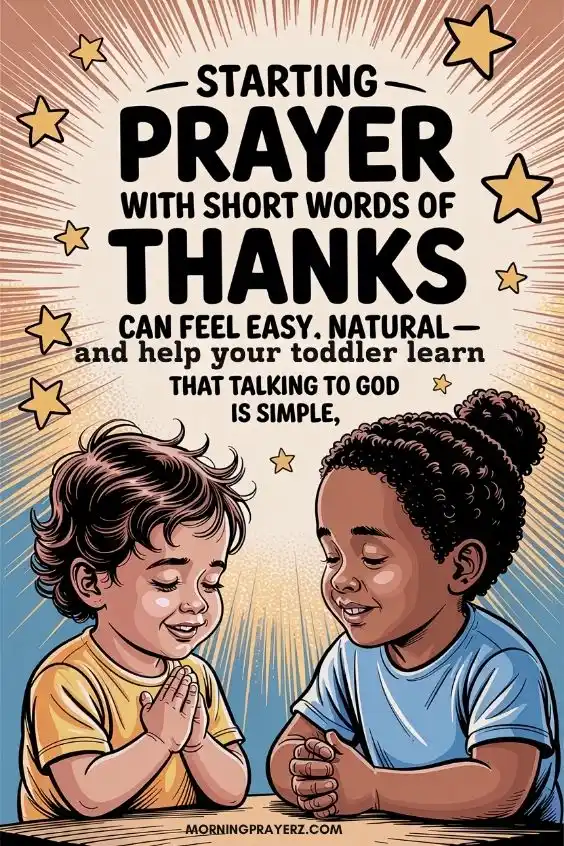
Starting prayer with short words of thanks can feel easy, natural—and help your toddler learn that talking to God is simple. Keeping prayers simple and repeating phrases they know will make learning joyful for your little one.

How Do I Teach My 3 Year Old To Pray?
Start with gratitude and simple “thank you” prayers
Gratitude is a great place to teach prayer habits to toddlers. I started by showing my 3-year-old how easy it is to say, “Thank you” in short prayers. We began with simple words like, “Thank You, God, for food on our table.” Or I’d guide her saying grace at mealtime: “God, thank You for family and yummy meals,” keeping prayers quick and clear.
Soon enough, my child enjoyed thinking of new things she felt happy about; toys, pets or sunshine became parts of daily thanksgiving too. Saying thanks helped her grasp biblical truth naturally.
Give thanks to the Lord, for he is good; his love endures forever. – Psalm 107:1


How Do I Teach My 3 Year Old To Pray?
Prayers that focus on gratitude kept our family prayer bright and joyful. These short prayers built Christian beliefs within everyday life moments nicely. They laid a strong base before exploring other forms of talking to God together as toddler prayer progressed further into small requests or bedtime prayer routines later on.
Next step involved using short and repetitive phrases that made praying easier and memorable for little minds.
Use short and repetitive phrases
I often use short and repetitive phrases during family prayer with my toddler. Short prayers like “Thank you, God” or “Jesus loves me” keep it easy for little minds and hearts to grasp.
Simple rhythms help my child stay focused on talking to God without getting confused or bored.
Young children learn well through repetition, much like how they memorize favorite songs or nursery rhymes. Using repeated phrases creates joyful prayer habits for toddlers and helps them feel relaxed when praying at bedtime or meals.
I’ve noticed that simple sayings such as “God is good,” followed by a quick list of things we’re thankful for, encourages patience in prayer even up to preschool age.
Create a Routine for Prayer
Each night at bedtime, I set aside quiet time with my toddler to say short prayers together. A steady routine makes family prayer a natural habit for both me and my child, turning our home into a place of daily worship.
Establish a regular prayer time (e.g., bedtime or meals)
I find that setting a regular prayer time helps my child form lasting prayer habits. Bedtime and meals are perfect times for toddler prayer, since these routines already happen daily.
At our house, we always pause to thank God before eating dinner or going to sleep. Short prayers during these moments teach children about talking to God in an easy way.
Also, I’ve noticed how much kids love routine; they expect what happens next and feel safe with clear patterns in their day. When family prayer becomes part of your child’s normal schedule, like brushing teeth or storytime before bed, they’ll soon see it as comforting rather than a chore.
Consistent schedules help little ones learn biblical truth naturally through simple repetition each day:
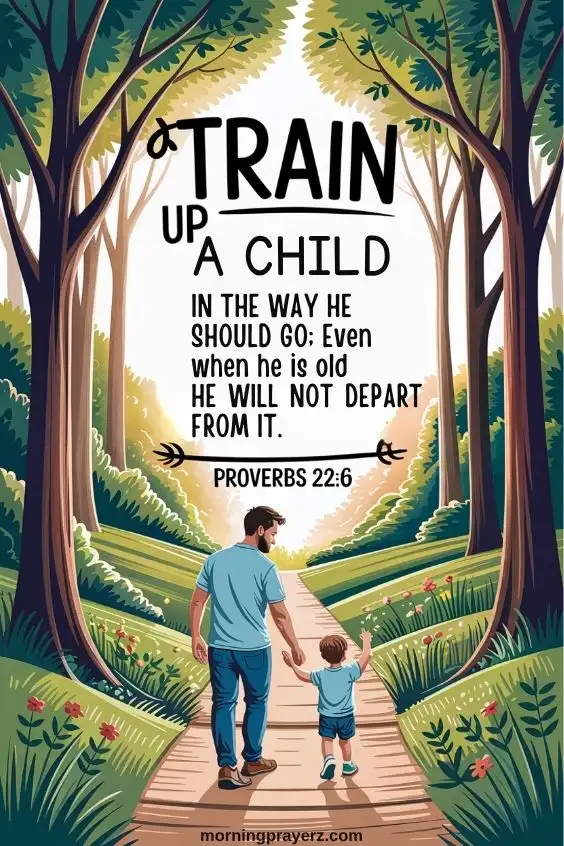
Train up a child in the way he should go; even when he is old he will not depart from it. (Proverbs 22:6)

How Do I Teach My 3 Year Old To Pray?
Keep it consistent to build a habit
Setting regular prayer times helps my toddler learn to talk with God daily. Kids, especially at a young age, thrive on routines like bedtime prayer and family prayers at meals. If prayer happens every day, even in short moments of thanks or praise, it soon becomes second nature for little ones.
Christian parenting involves planting small seeds of faith that grow stronger as they get older. Simple acts—like holding hands before dinner or saying a bedtime prayer together—create stable and lasting prayer habits rooted in biblical truth and Christian beliefs.
Be a Role Model
I show my child how talking to God fits into daily life—like giving thanks before a meal or bedtime. My little one notices when I pray, and soon wants to join in too.
Demonstrate prayer in your daily life
My child often learns best by watching me. Letting my toddler see me praying each day makes talking to God normal and inviting. At meals, I say simple short prayers out loud, thanking God for our food.
During bedtime prayer, my child watches as I ask Jesus for peace and protection over our family; through this daily example, I’m showing how Christian beliefs fit naturally into regular life.
Other times, modeling patience in prayer helps too. Instead of getting upset or worried right away when things go wrong at home, pausing briefly to pray calmly teaches valuable lessons about biblical truth and trust in the Holy Spirit.
My child sees firsthand that family prayer isn’t just words we speak but a real habit grounded deeply in faith from the Bible itself.
Let your child see you pray
I often kneel openly in our family room to model prayer habits for my toddler. Seeing me talk with God makes praying normal and real at home, not just at a worship service. Daily life gives many chances for talking to God: quietly thanking Him during meals, bedtime prayers together, or short prayers when patience runs thin.
By showing sincere faith, kids learn early what trusting Christian beliefs looks like day-to-day. Three-year-olds love copying their parents; toddlers naturally mimic actions that seem important. Setting aside moments each day to pray teaches children this habit matters deeply in our home.
Letting little ones watch me share heartfelt words with the Lord shows them praying is genuine and joyful, an everyday part of Christian parenting worth imitating as they grow closer in faith to Him who taught his disciples to pray (Luke 11:4).
Fun and Engaging Prayer Activities
I’ve found that joyful tunes and playful rhymes help my kid enjoy talking to God. Creative activities, like coloring drawings or telling short stories, also make prayer a fun experience.
Use songs or rhymes to make prayer enjoyable
Songs and rhymes are fun ways to teach my child about talking to God. Simple tunes like “Jesus Loves Me” help toddlers enjoy family prayer time. Short prayers set to music, such as giving thanks before meals or singing bedtime prayers, keep my 3-year-old eager to join in.
I’ve noticed through first-hand experience how singing short prayers makes Christian beliefs easy for kids to grasp at an early age. Rhyming verses from the Psalms make prayer habits appealing and easy for young children. My toddler loves repeating parts of Psalm 23 or simple lines from the Lord’s Prayer when they’re put into rhyme or song form.
Musical prayer activities hold my child’s attention better than saying plain words alone; this builds patience in prayer even at a young age. Songs have truly made teaching children to pray much easier in our home!
Encourage creative prayer, like drawing or storytelling
I enjoy making prayer fun for my toddler through creative activities. Letting my child draw pictures of things to thank God for is a simple way to teach gratitude prayers. Storytelling also helps my little one understand biblical truths from the Gospels or Old Testament stories, like Peter walking on water or the Psalmist praising God’s goodness.
Watching these short prayers come alive visually grabs my child’s attention and teaches meaningful Christian beliefs in clear ways.
Using coloring books related to family prayer themes lets us talk about patience in prayer while having fun together. Simple stories that focus on Christian parenting values help shape strong prayer habits early on, giving toddlers the tools they need later as they grow around saints and examples of faith-filled lives.
This method makes talking to God joyful and accessible even at age three, leading naturally into other engaging prayer activities.
Conclusion
Teaching your toddler to pray can be simple and joyful. Short, thankful bedtime prayers or fun songs help build lasting prayer habits early on. By modeling daily family prayer yourself, your little one learns talking to God is real and meaningful.
Why not explore creative activities like drawing prayers or telling Bible stories together as part of your routine? With patience in guiding young hearts, you’ll nurture strong Christian beliefs that last a lifetime.
FAQs
1. When should I start teaching prayer habits to my toddler?
You can begin teaching children to pray as early as age three, using short prayers at bedtime or before meals. This helps your child become comfortable talking to God and builds strong family prayer routines.
2. How do I explain biblical truth about praying clearly to a young child?
Use simple words and clear examples from Christian beliefs that your toddler understands easily. You might say praying is like talking with a friend; it brings us closer to God, who loves us even when we’ve sinned.
3. What are some easy prayer activities for toddlers?
Try short prayers together each night at bedtime, or use fun prayer resources designed just for little ones.
4. Should I teach my 3-year-old The Lord’s Prayer right away?
It’s good practice—but keep it simple at first by breaking down The Lord’s Prayer into shorter parts they can learn slowly over time. This approach makes learning easier and connects them gently with important Christian parenting values.