
Many people feel nervous about how to start a prayer in church. It can feel hard to know what words to use at first. After looking into it, I found that simple phrases like “Dear Heavenly Father” or “Our Father in Heaven” help set the right tone.
This post shares clear steps and examples so you can make your opening prayers easy, respectful, and meaningful for any worship service or Bible study. You will find tips that help you invite God’s presence with confidence—read on for ideas that really work!
Understanding the Purpose of Opening Prayer

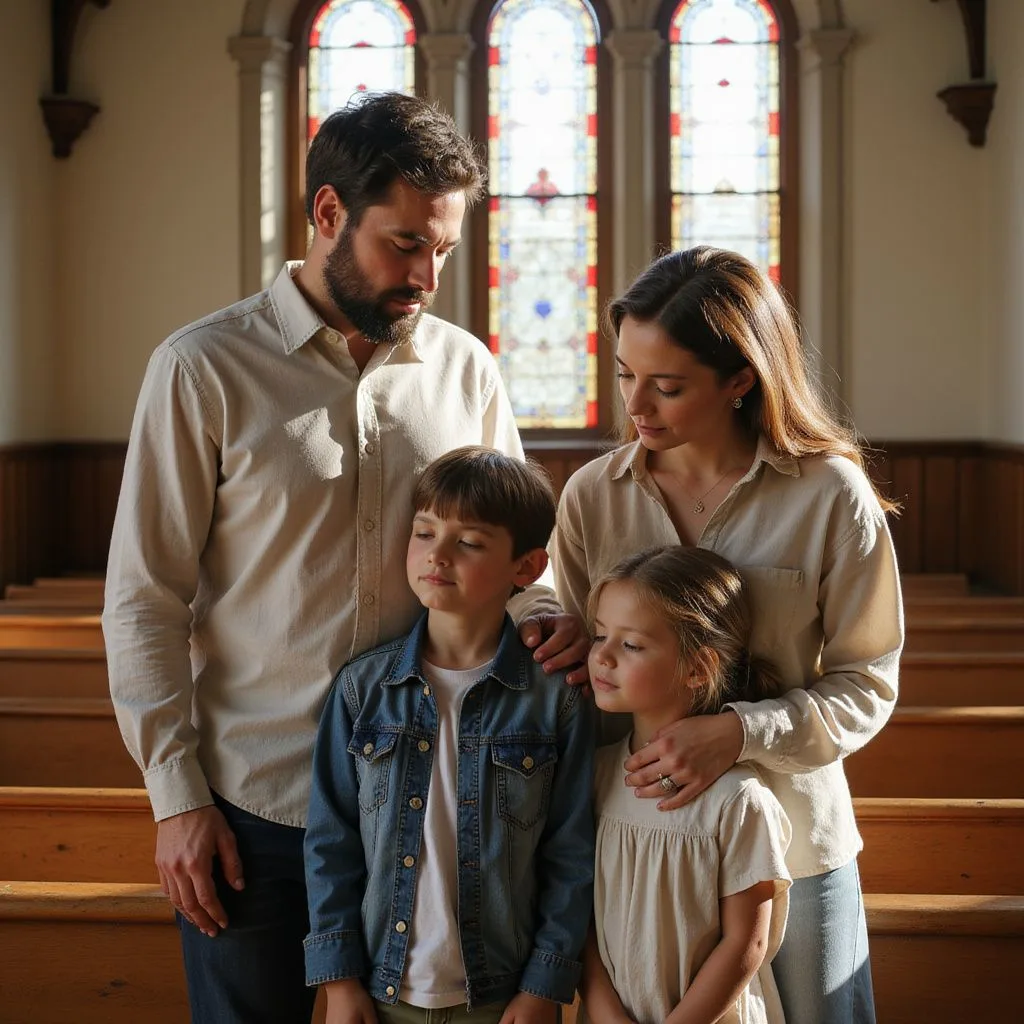
Opening prayer in church means a lot to me. I begin by speaking with God the Father to show respect and set a peaceful mood. This first moment helps everyone turn their hearts and thoughts toward the Lord Jesus Christ, and reflect on our connection with God through the Holy Spirit.
It gives us time to prepare for worship and ask for God’s wisdom.
When I start a prayer, I also like to thank God for daily bread and simple blessings. Sometimes, I ask Him for grace or pray that everyone feels united as we gather together. Using words from Matthew 6:9–13 helps us remember Christ’s sacrifice on the cross and His resurrection that brings hope.
Each opening prayer invites God’s presence so we can all listen for His will as one church family. Next, let me share some important steps to consider as you start a prayer in church….
Key Elements of Starting a Prayer in Church
I always start by talking to our Father in Heaven with respect. Then, I thank Him for Jesus Christ—His Son and our Savior—and ask the Holy Spirit to give wisdom as we seek God’s will.
Addressing God with Reverence
I start by using names for God that show honor, like “Dear Heavenly Father,” “Our Father in Heaven,” or “Almighty God.” These words help me speak to the Holy Trinity with respect. I think about God’s glory and my relationship with Him as my Savior and Creator.
Sometimes, I say, “Father God,” or call upon Jesus Christ and the Holy Spirit. I use phrases from Bible study, such as those found in Matthew 6:9-13—the Lord’s Prayer—or mention Christ on the cross.
Showing reverence means thanking God for gifts He gives daily—like life itself, our church family joining in worship services, or beauty we see around us. My tone is humble before His authority.
As a disciple of Jesus, I ask for mercy and guidance according to God’s will. Starting prayer this way keeps focus on who He is—the Son of God; Messiah; blessed Trinity—and reminds all worshippers of His sacrifice and love for each one of us.
Offering Gratitude and Praise
I thank God for the gift of community, my family, and daily bread. I keep in mind the blessings found in creation and health each time I pray. Praise flows as I celebrate God’s goodness and grace through Jesus Christ, our Savior.
In giving thanks for guidance from the Holy Spirit and spiritual gifts, I acknowledge God’s constant support.
In church, lifting gratitude for the sacrifice of Christ on the cross shapes my heart with humility. Words like “Father in Heaven” or mention of discipleship remind me to honor His name.
Praising God in three persons—the Father, Son, and Holy Spirit—sets a tone full of reverence. Closing with “In Jesus’ name, Amen” makes praise clear as part of Christian worship.
Inviting God’s Presence and Guidance
After offering gratitude and praise, I ask God to fill the church with the Holy Spirit. I seek His presence during worship and all parts of reformed worship. I pray for God’s wisdom as we read the Scriptures, study the Bible, and gather in unity.
I invite our Heavenly Father to guide my thoughts, words, and actions at the pulpit. I pray for discernment based on Matthew 7:7—seek, and ye shall find—to help us know God’s will straight from His Word.
In times when people feel tempted or tired, I ask Christ Jesus to renew us through patience and discipline by His authority. All requests are made in the name of Jesus Christ—God incarnate—and trust that He leads our steps today just as He did in Bible days.
Examples of How to Start a Prayer in Church
I often begin by speaking to our Heavenly Father with simple words, inviting the Holy Spirit to guide us—read on for more ways you can open prayer and encourage spiritual growth in your church.
“Dear Heavenly Father”
“Dear Heavenly Father” helps me speak to God with respect and love. I choose these words in church so the whole congregation knows we come before our holy Creator together. This greeting starts my prayer, making it clear that I talk directly to the Lord of all creation, not just myself or others listening.
It honors my relationship with God as a child speaking to a caring parent.
After saying “Dear Heavenly Father,” gratitude fills my next words. I thank Him for daily bread, Jesus Christ’s life and sacrifice, and guidance from the Holy Spirit. Praise follows for His wisdom found in scripture and gifts given each day—like unity among believers or renewal after hard times.
Starting this way helps set hearts on worship, trusting that God listens as we seek His will through Christian prayers grounded in authority of the scriptures and faith in the Trinity.
“Our Father in Heaven”
Saying “Our Father in Heaven” shows respect and love for God. I feel close to God as a child feels safe with a parent. This line starts the Lord’s Prayer, which Jesus Christ taught His followers in the Bible.
It reminds me that prayer is about my relationship with God, not just asking for things.
Using these words, I praise our Creator and invite His holy spirit into our church service. I thank Him for daily bread, wisdom, and guidance for spiritual growth. Asking to follow God’s will and seeking unity in the congregation come next.
The phrase helps me focus on Jesus Christ—the savior who ascended to heaven—and trust God as a caring father watching over us all.
“Almighty God, we come before You”
Almighty God, we come before You is a strong way to start prayer in church. I speak these words with respect, knowing God’s power and love. This shows that I honor the Creator above all else.
Each time I use this phrase, I set my heart on seeking God’s wisdom and guidance for the people gathered.
Asking Almighty God for help brings unity to our voices. It reminds me of Jesus Christ’s teachings about prayer in the Bible. I thank Him for daily bread and pray for renewal by the Holy Spirit.
Coming together like this builds my relationship with God, helps us seek His will, and points us to praise and worship every day.
Tips for Leading an Opening Prayer
I always try to let the Holy Spirit guide my words, asking for God’s wisdom as I speak. Sometimes, reflecting on bible study or a passage from the life of Christ helps set the right tone for prayer and leads to spiritual growth—this keeps our hearts open and focused.
Be sincere and thoughtful
I speak to God with an honest heart, not using fancy words or long phrases. Each prayer comes from my true feelings about God’s will and the needs I see in my church family. As I open my prayer, “Dear Heavenly Father,” I try to show real respect for His presence.
Giving thanks for daily bread, spiritual growth, and the life of Christ feels important during these moments.
Thinking of Bible study helps me focus on what matters most: asking the Holy Spirit for wisdom and help. My mind stays clear about why we gather—to pray for unity, renewal, and a stronger relationship with God through Jesus Christ.
A sincere voice invites others to join me as we seek God’s guidance together. Using simple words lets everyone feel safe praying too—no one needs big speeches to talk with our Father in Heaven.
Consider the needs of the congregation
Some days, people ask God for unity or healing. Other days, many need hope, strength, or wisdom. I listen to what the congregation is facing right now and pray with that in mind. If there has been a loss, I speak words about comfort and peace through Jesus Christ.
During prayer for renewal or spiritual growth, I invite the Holy Spirit to move in our hearts. At times of Bible study or big decisions, I ask God’s guidance and spirit of discernment for everyone.
My goal stays simple: help each person feel seen by God—no matter their struggle or joy today.
Keep the prayer focused and clear
I keep my prayer focused by choosing one main thought. For example, I may pray for unity in the church or ask for God’s wisdom during Bible study. This helps me not to wander in many directions and keeps each word meaningful.
I use clear words like “Heavenly Father, help us seek Your will” or “Holy Spirit, guide us today.”.
Short sentences work best so everyone can understand—just like The Lord’s Prayer gives thanks for daily bread and asks simple requests. If I make a request, such as praying for renewal or spiritual growth, I state it simply without long stories.
Ending with a traditional phrase like “in Jesus Christ’s name” brings closure and clarity to the prayer time.
Conclusion
Starting a prayer in church works best when I follow some easy steps. Addressing God, showing thanks, and asking for help or wisdom keeps the focus clear and warm. Using simple phrases like “Dear Heavenly Father” helps everyone feel included.
These tips are quick to use and make every opening prayer strong and peaceful. Studying the Bible or joining group studies can offer more ideas on how to pray with confidence. My own prayers grew richer once I learned this—and yours can too, bringing fresh unity each time we gather in Jesus Christ’s name.
FAQs
1. How should I start a prayer in church?
To start a prayer in church, you can address God as your Heavenly Father. It’s important to approach Him with respect and humility, recognizing His wisdom and expressing your desire for spiritual growth.
2. What kind of prayers can we say in church?
In the church, prayers may vary from Bible study reflections to specific ones like the Lord’s Prayer or prayers for unity and renewal. These reflect our relationship with God and seek His will in all matters.
3. Can I use the Lord’s Prayer as my starting point?
Absolutely! The Lord’s Prayer is an excellent starting point since it was taught by Jesus Christ himself. It asks for daily bread, symbolizing both physical sustenance and spiritual nourishment.
4. How does praying contribute to my spiritual growth?
Praying fosters your relationship with God, allowing you to seek His wisdom regularly. This process helps align your actions with God’s will leading towards continuous spiritual growth.
5. Can we pray about personal matters during public prayers at the Church?
While public prayers often focus on communal concerns such as unity or renewal through the Holy Spirit, there is room for personal requests too; after all, every individual’s ascension to heaven contributes to the whole community’s spirituality.